

The information on this page has been kindly provided by Lisa Kinch
Type A and Type B Exchange Buildings
Standard Building Types were first developed in the 1920s to cope with increased demand for telephone services across Britain. The repetitive use of ‘pattern templates’ helped to reduce both planning and construction times. The small standardised exchanges designed to serve smaller communities were initially known as Rural Automatic Exchanges (RAX), but were soon renamed Unit Automatic Exchanges (UAX) as the term ‘rural’ became inappropriate.
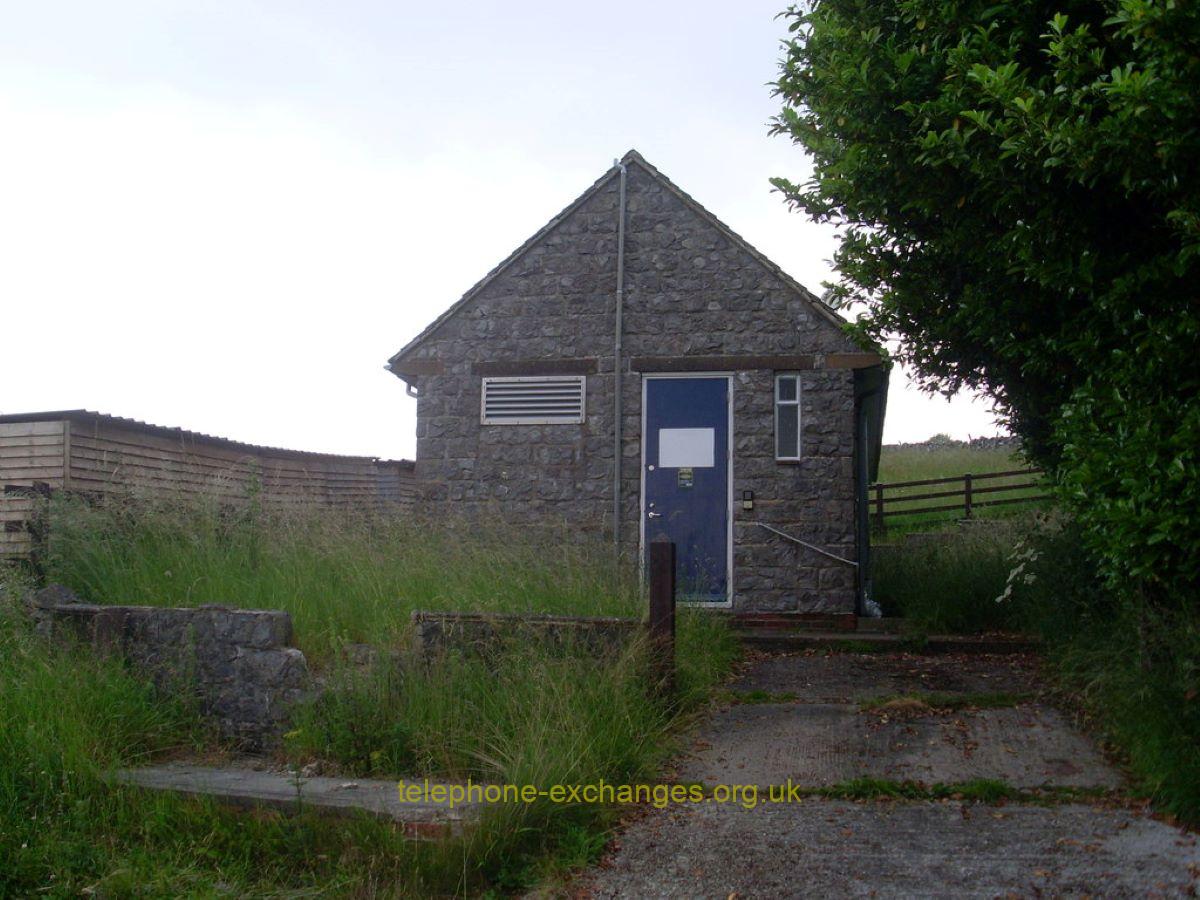
The General Post Office was responsible for the design of the equipment as well as the design and erection of these small buildings, including Standard Types A, B and B1, which accommodated 100 and 200-line exchanges. They could be constructed in three different ways; in brick, stone or a special construction suitable for sites prone to flooding. The external finishes could be varied to suit material availability or to fit in with the local context. Render, brick and timber are all common finishes.
Type A Brick


Type A Timber

Type B Brick

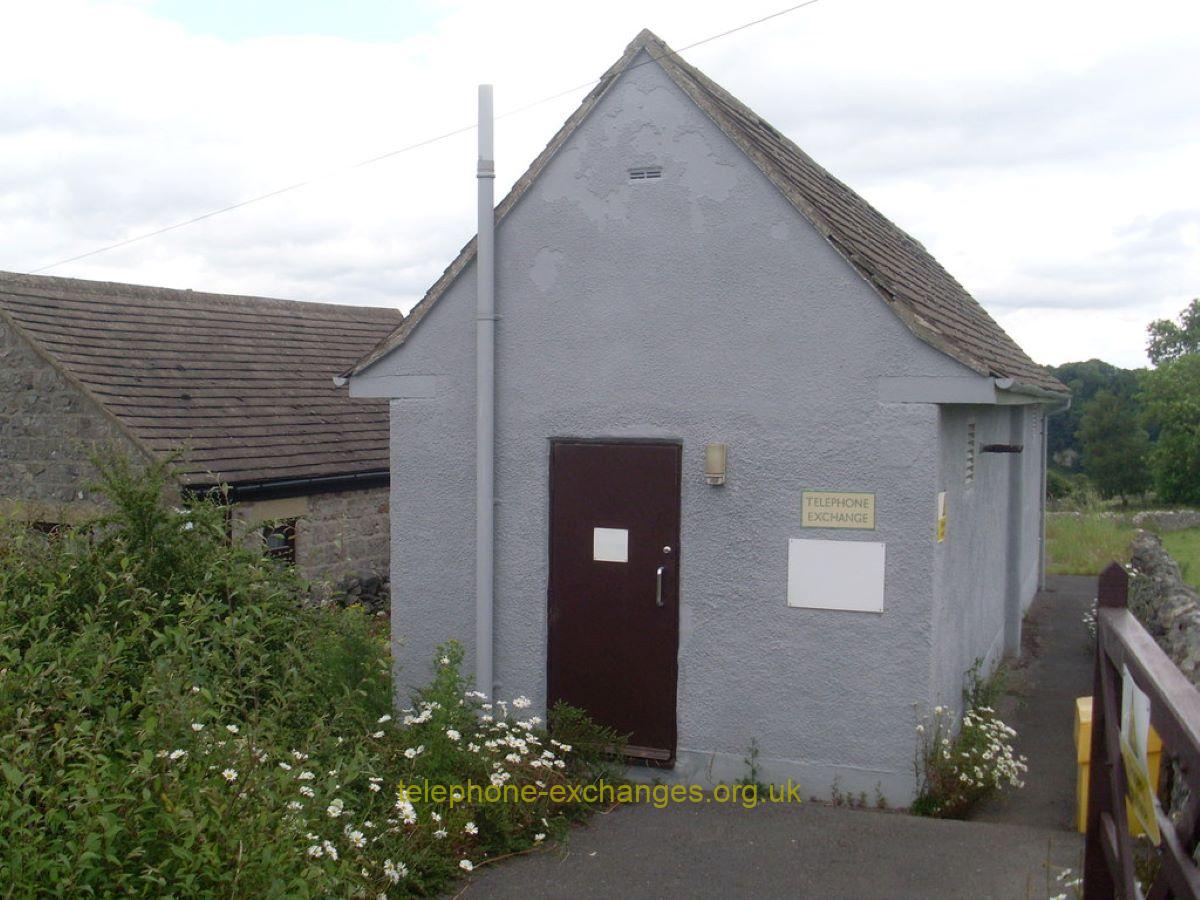

Type B Timber

Type B1 Brick

Photo courtesy of Denver.
There are also many other examples of this type of building such as Hellifield in the Settle group and St Gennys in the Camelford group.

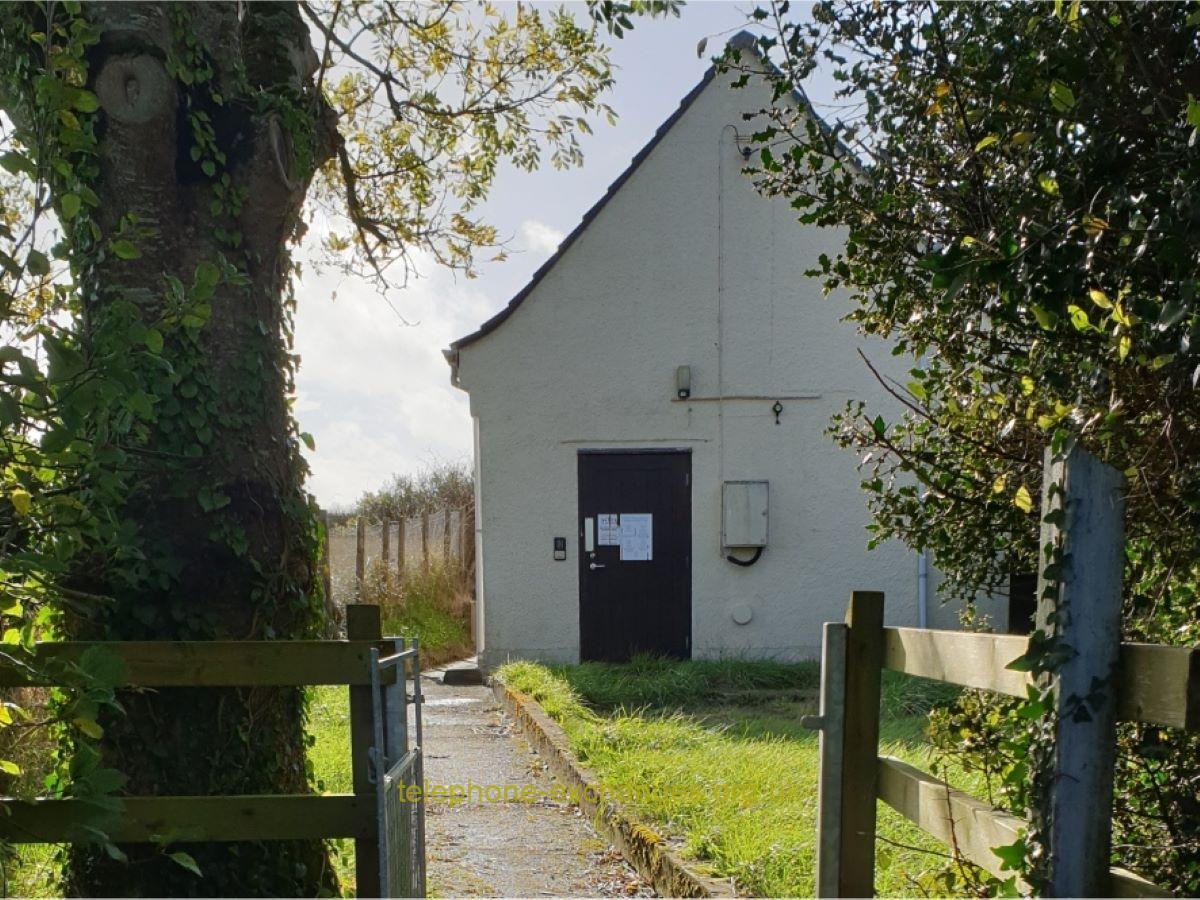
Type B1 Timber

Photo courtesy of John Cranston.
There are also many other examples of this type of building such as Ilmington in the Chipping Norton group and Ravenglass in the Barrow-in-Furness group.
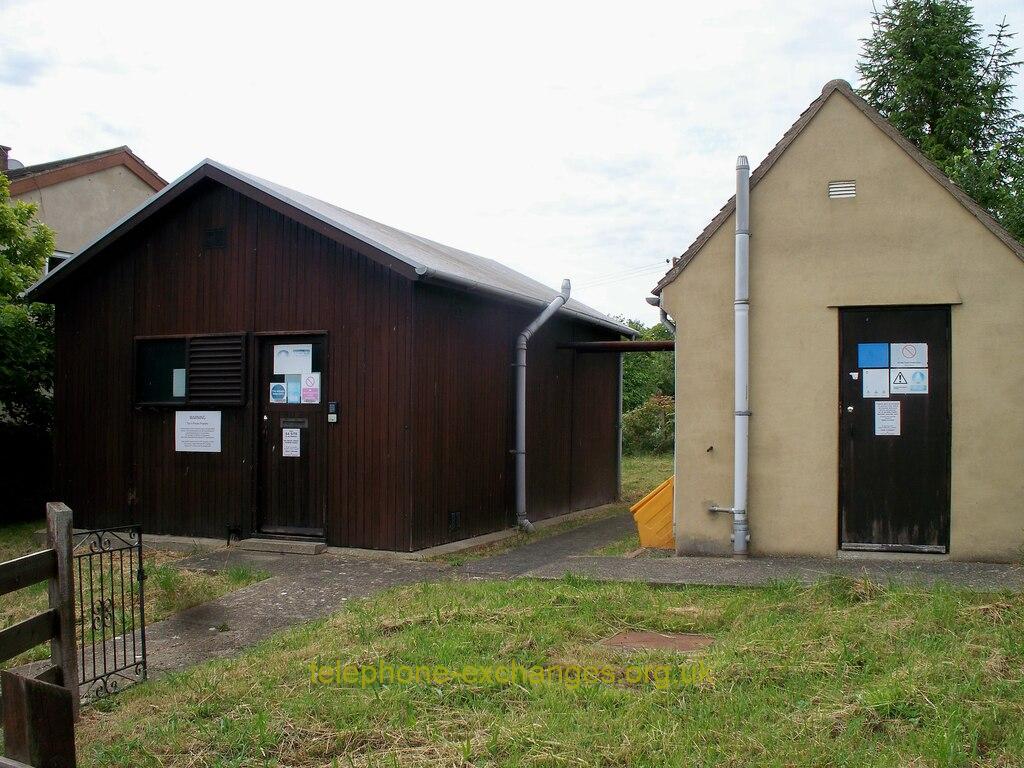

Type C Exchange Buildings
Type C buildings were sometimes used for Telephone Exchanges but were also often used to house Telephone Repeater Stations (TRS).
Their function was to house equipment which amplified the signals over longer distances.
Type C

Type C1
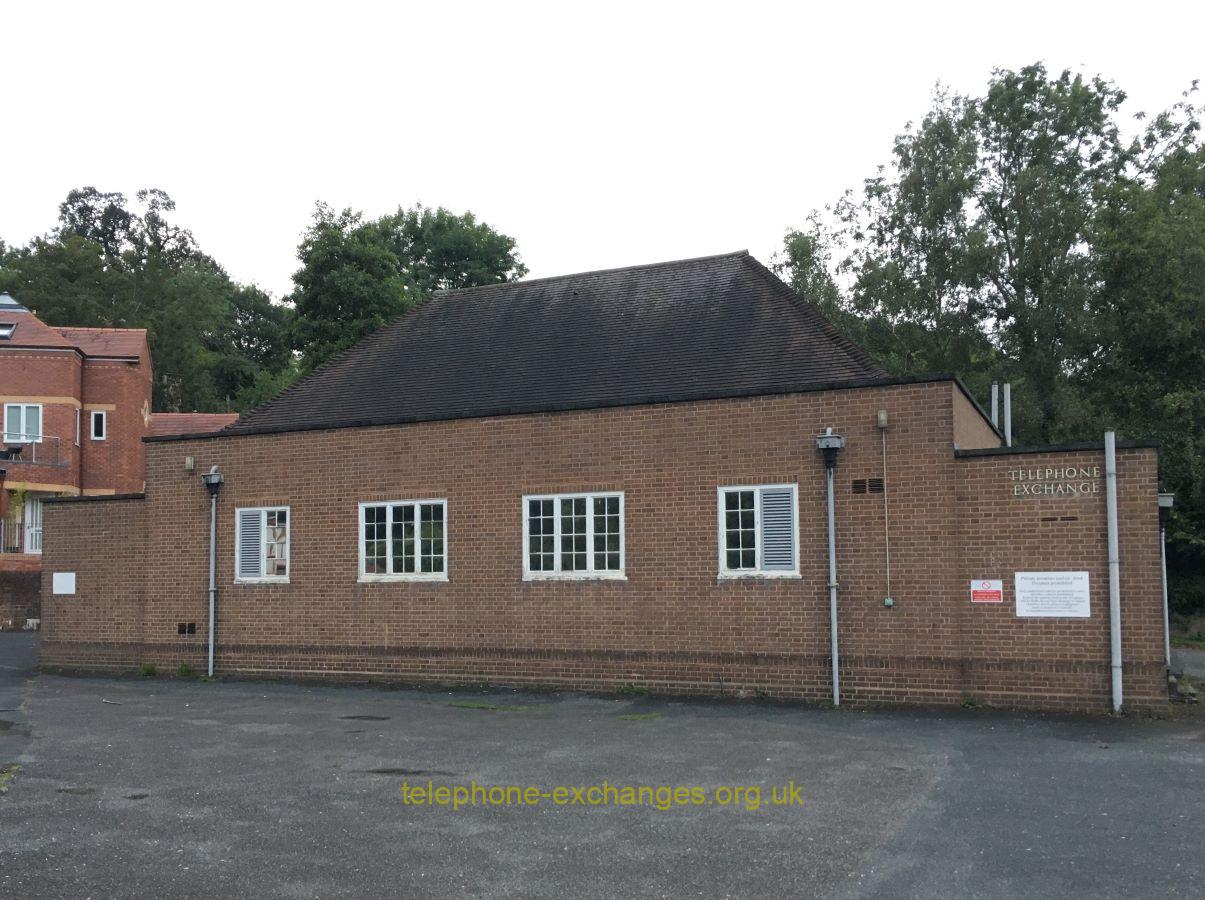
Ironbridge Telephone Exchange in Shropshire is housed in a typical C1 Type building.
Photo courtesy of Damon Wilkinson.
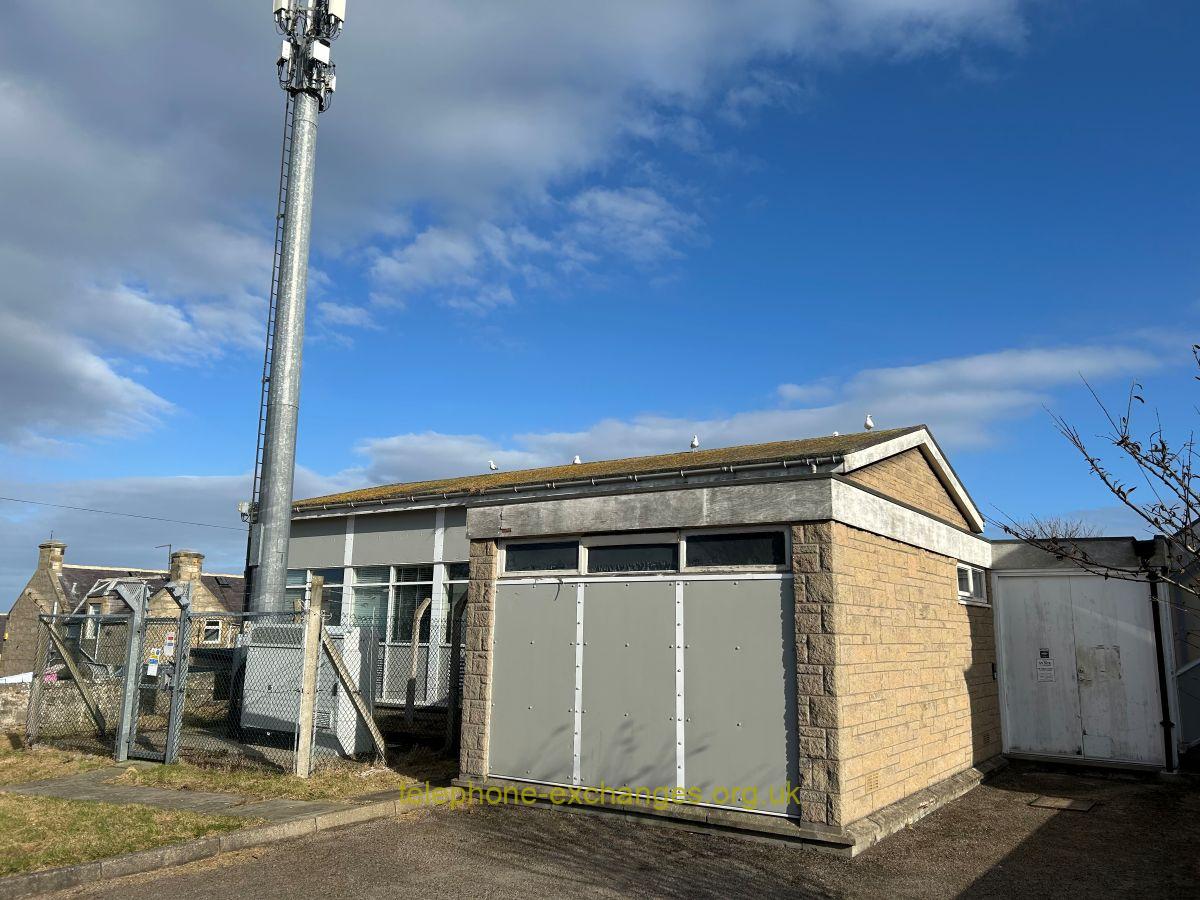
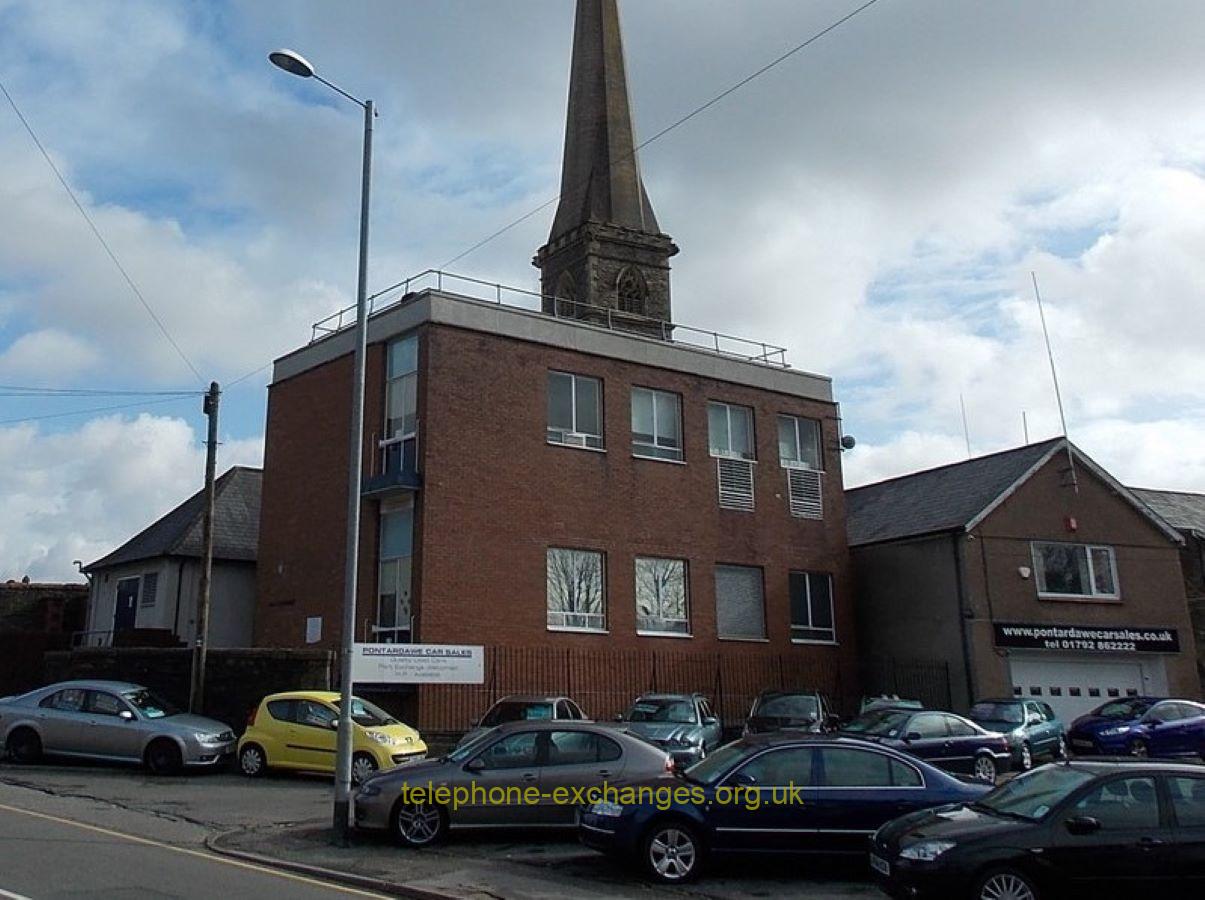
Other examples include Lossiemouth in the Elgin group and Pontardawe former exchange in the Swansea group.
Type CR1
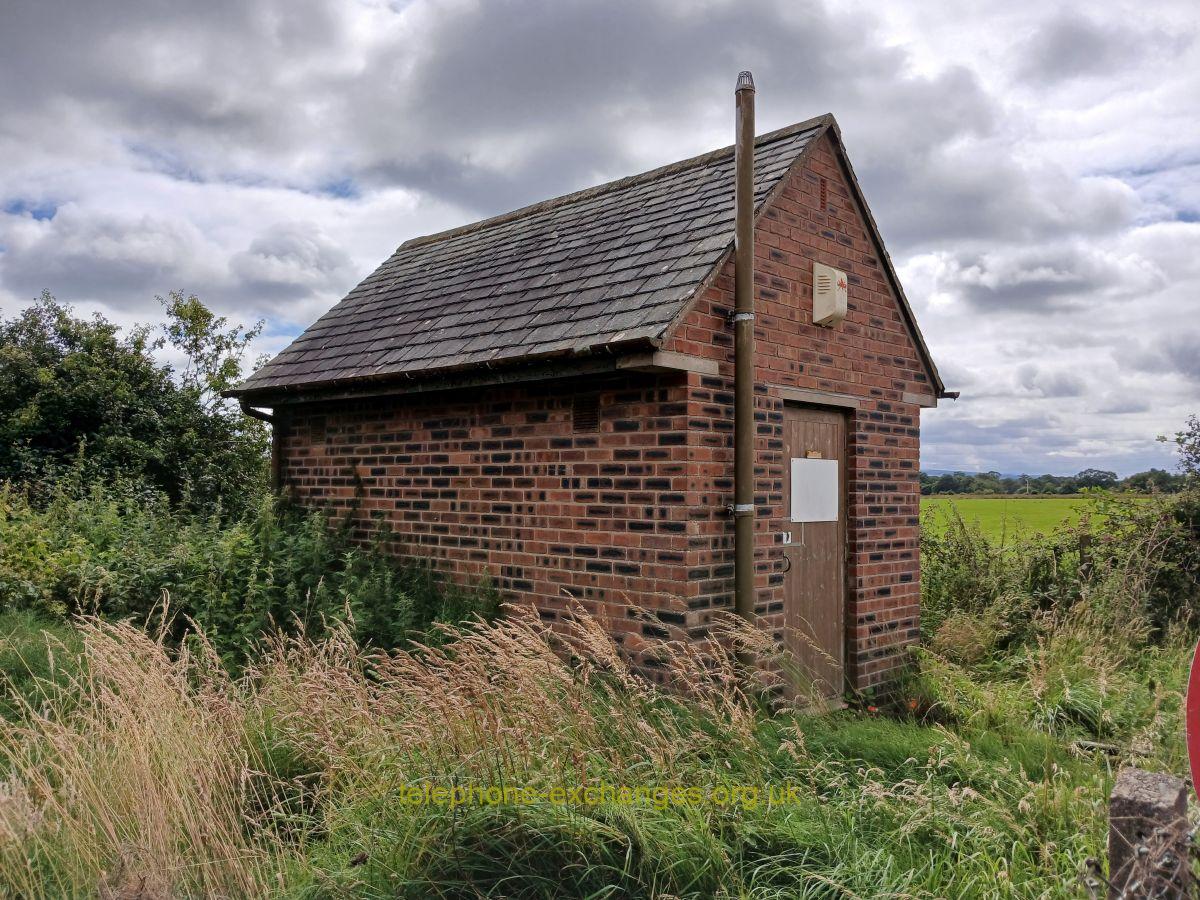
Durdar Telephone Repeater Station near Carlisle is an example of a typical CR1 Type building.
Type CR3

Plumpton Head Telephone Repeater Station in Cumbria is an example of a typical CR3 Type building. Other examples include Wickersgill TRS and Low Row TRS.
Type CR4

A typical examples of CR4 Type building is Rockcliffe Small Automatic Exchange in Carlisle.
Photo courtesy of Andrew Holland.
Type CR5

The building adjacent to the Kidsgrove Telephone Exchange is a typical CR5 Type building. There are other examples of CR5 buildings in Braunston, North Rode and Poynton.
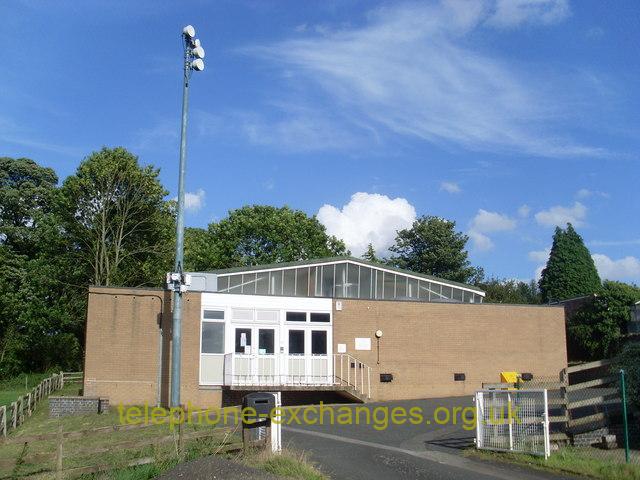
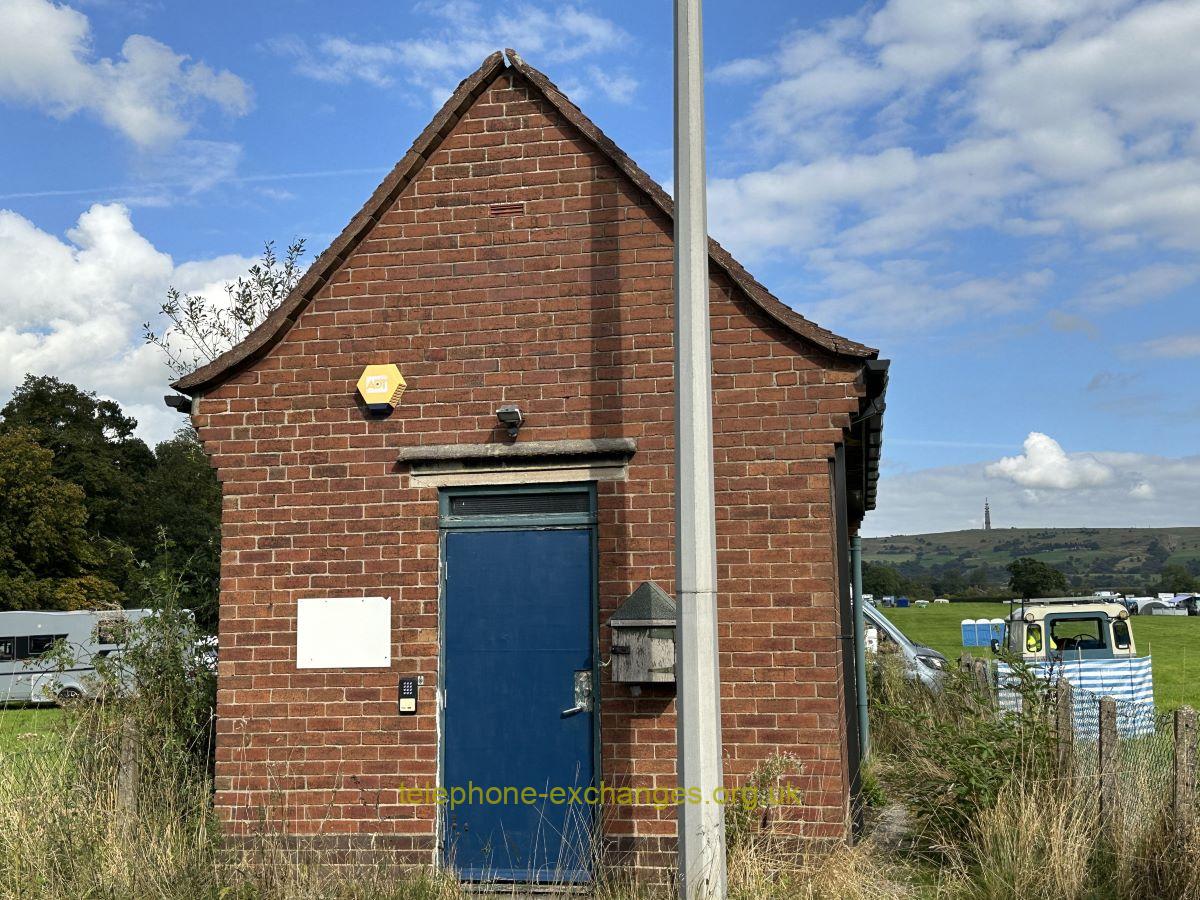

Type CR6

Dundonnell Telephone Exchange near Ullapool is housed in a typical CR6 Type building.
Photo courtesy of Damon Wilkinson.
Type D, Type E, Type F and Type G Exchange Buildings
The design responsibility for the larger standard buildings was given to the Ministry of Works, whose architects developed Standard Types D, E and F. These types all accommodated 1,600 lines. Two types were designed to accommodate future extension from the outset; Type E could be extended vertically and Type F horizontally. These larger types were also designed for construction with a range of materials and finishes. The roof profile could also be varied to suit the local context.
Type D


Leyburn Telephone Exchange in North Yorkshire is housed in a typical Type D building.
Photo courtesy of David Hillas.
Another example is Limpley Stoke exchange near Bath.

Type D1

Wigtown Telephone Exchange near Newton Stewart is housed in a typical Type D1 building.
Photo courtesy of Humphrey Bolton.
Another example is Settle exchange in the Yorkshire Dales.

Type E


The former Saffron Walden Telephone Exchange in Essex is housed in a typical Type E building.
Photo courtesy of Craig Gonsalves.
Another example is Saltford exchange near Bristol.

Type F
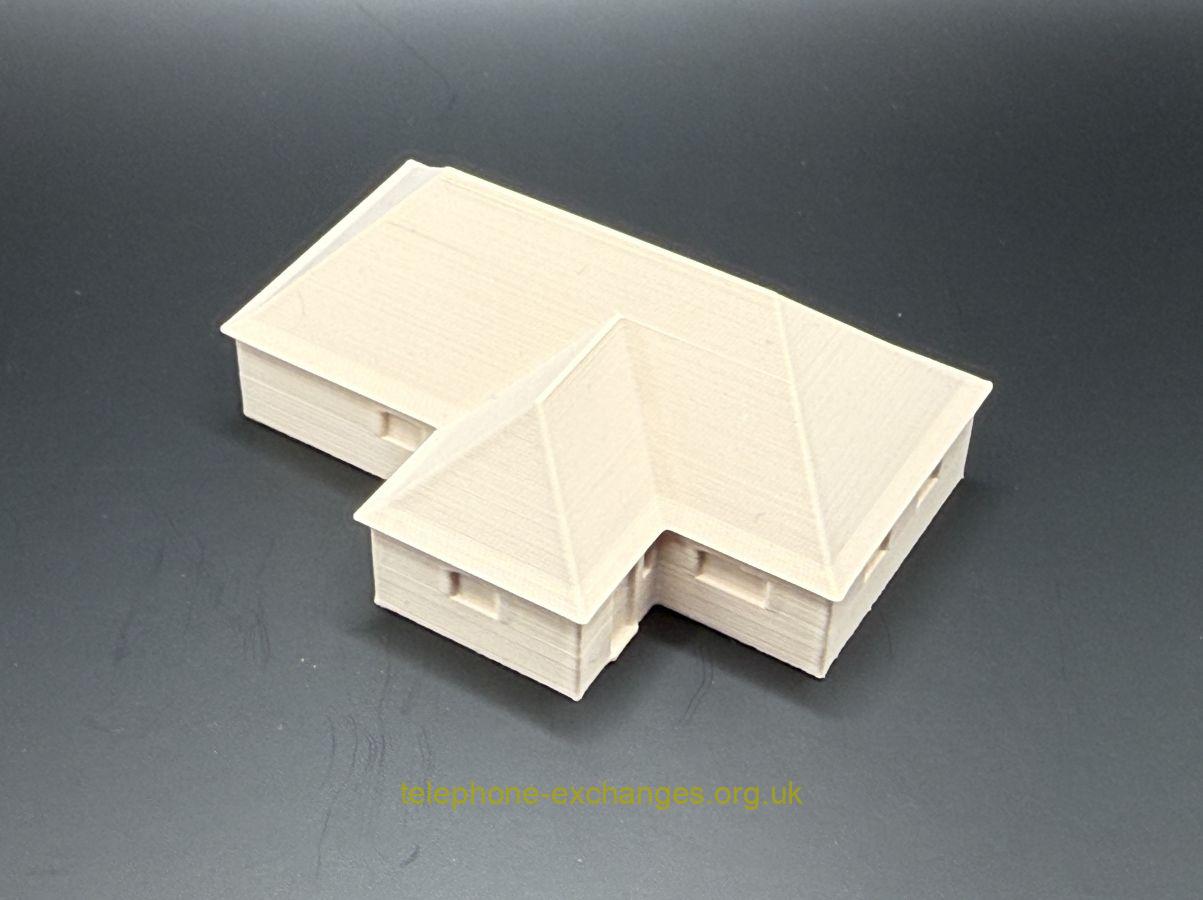

Wirksworth Telephone Exchange near Matlock is housed in a typical Type F building.
Photo courtesy of David Hillas.
Other examples include Walney Island and Bramley exchanges.
Type G1


The original Bolsover Telephone Exchange in Chesterfield is housed in a typical Type G1 building.
Photo courtesy of Tony Willgoose.
Other examples are Camelford exchange in Cornwall and Oughtibridge in Sheffield.
Type G2

The former Catterick Camp Telephone Exchange near Richmond is housed in a typical Type G2 building.
Photo courtesy of John Cranston.
Type H Exchange Buildings
Type H originally accommodated 1,600 to 2,000 lines, using TXS (non-director) and TXE 2 equipment (over ceiling cabling). The apparatus room was constructed from steel frame and trusses with reinforced load bearing cavity brick gable end walls. The ancillary accommodation was formed from load bearing cavity brick walls and a flat roof. The initial building programme lasted 1963 to 1968. It was reintroduced in 1971 before being cancelled in 1978.
Type H

Type H

Hook Norton Telephone Exchange near Banbury is housed in a typical Type H building.
Photo courtesy of David Hillas.
Other examples include Shere and Millom exchanges.
Type H2

Joppa Telephone Exchange in Ayr is housed in a typical Type H2 building.
Photo courtesy of Damon Wilkinson.
Other examples include Wanborough and Ticehurst exchanges.
Type H3

Whalley Telephone Exchange near Blackburn is housed in a typical Type H3 building.
Photo courtesy of David Hillas.
Type K Exchange Buildings
There are many variations of Type K, however the K1 Mark IV (with the recognisable pitched roof) originally accommodated 5,000 lines, using TXS and TXE 2 equipment (over ceiling cabling). The apparatus room was constructed from steel frame and trusses, with a pitched roof with cable loft. Three sides featured brick infill panels and high level glazing. The ancillary accommodation was formed from load bearing cavity brick walls and a flat roof. The initial building programme lasted 1964 to 1970, before it was superseded by Standard Building Type M44 and ultimately cancelled in 1978.
Type K1


Sawbridgeworth Telephone Exchange in near Bishops Stortford is housed in a typical Type K1 building.
Photo courtesy of Simon Cowper-Smith.
Another example is Nailsea exchange in Somerset.
Type K1 Mk.III

Wareham Telephone Exchange in Dorset is housed in a typical Type K1 Mk.III building.
Photo courtesy of Richard Stephens.
Another example is Fairseat exchange in Sevenoaks.
Type K1 Mk.IV
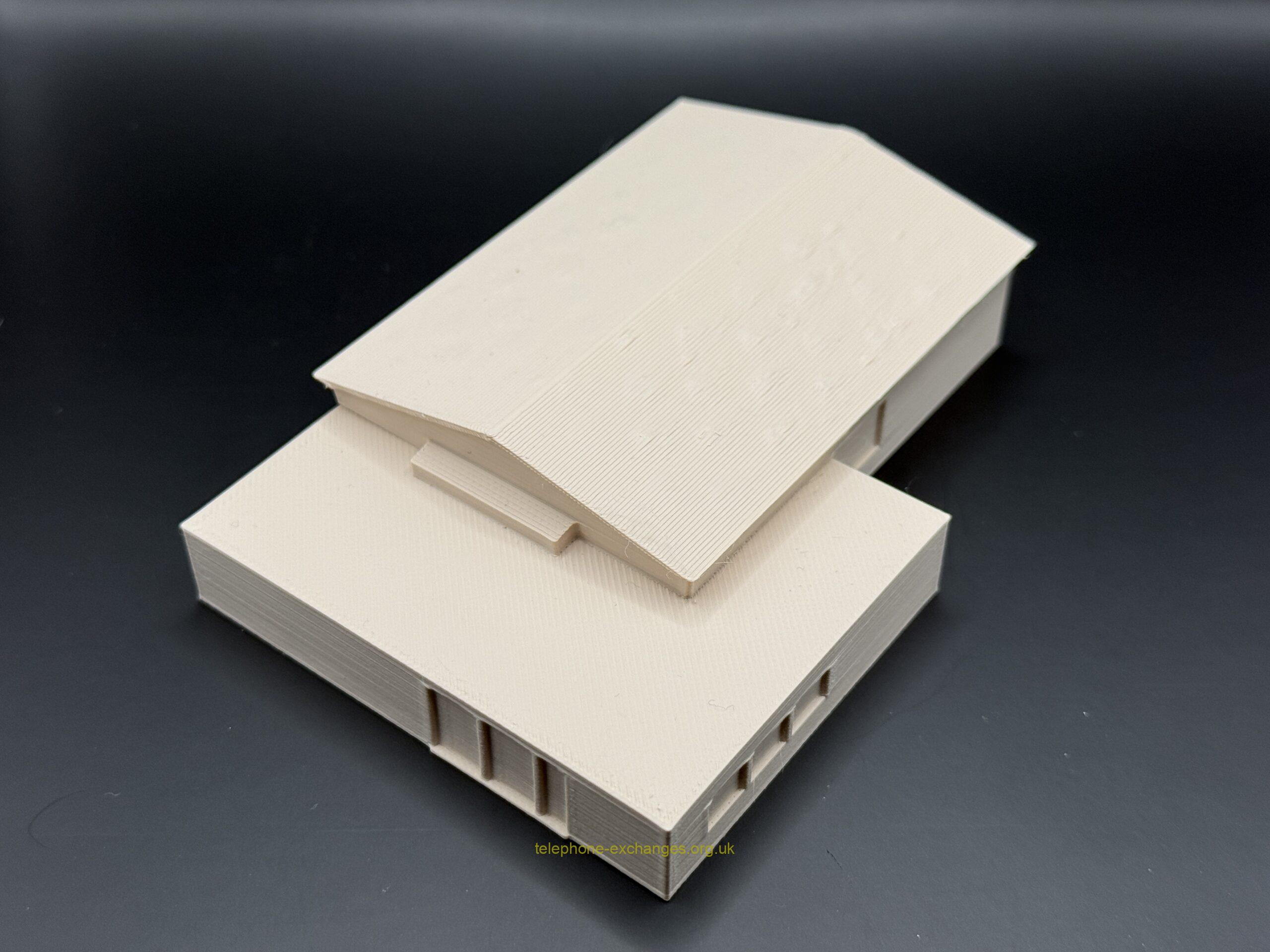

Hethersett Telephone Exchange near Norwich is housed in a typical Type K1 Mk.IV building.
Photo courtesy of John Cranston.
Other examples include Blairgowrie exchange in Perth, Drayton exchange near Norwich and Middleton Cheney exchange near Banbury.
Type K1.1

Haddington Telephone Exchange in East Lothian is housed in a typical Type K1.1 building.
Photo courtesy of John Cranston.
Another example is Caldicot exchange near Chepstow.
Type K1.C
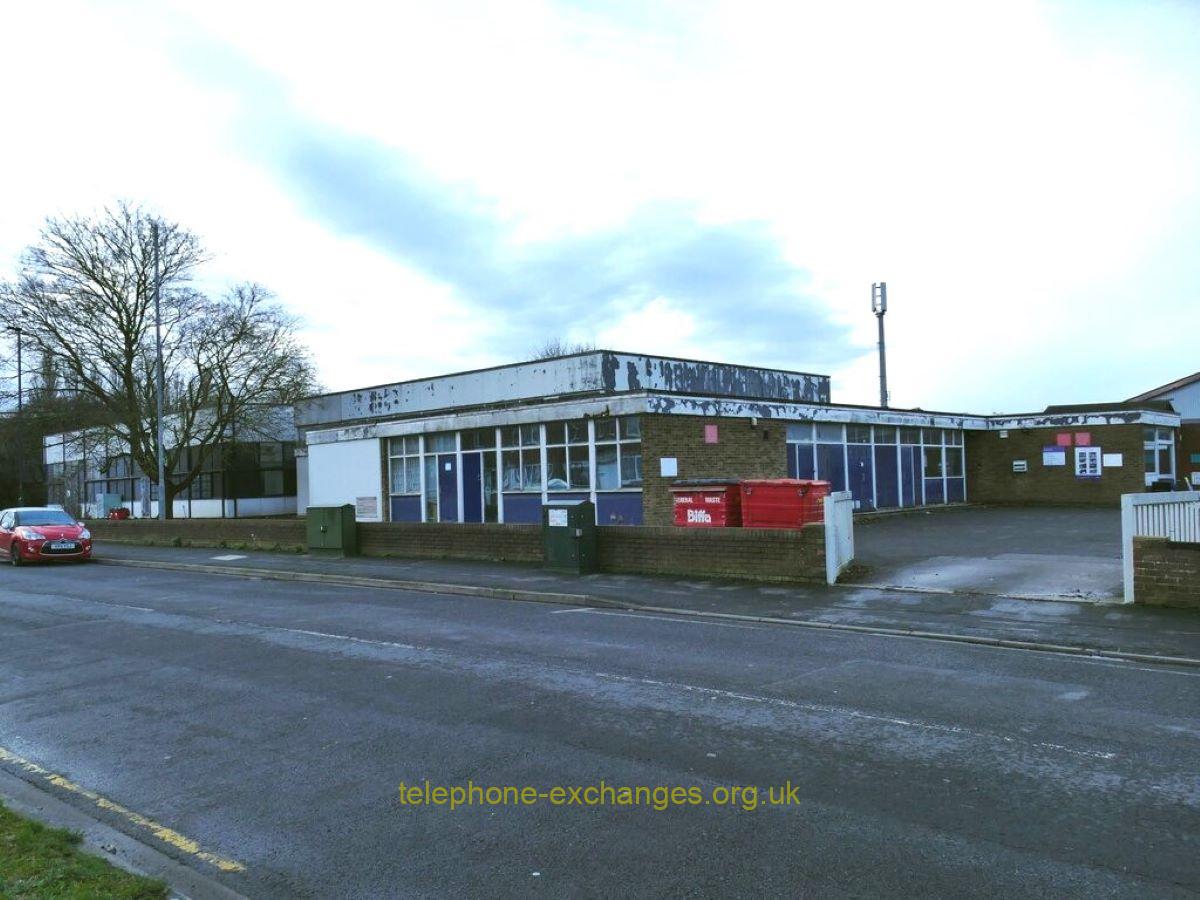
Selby Telephone Exchange in North Yorkshire is housed in a typical Type K1.C building.
Photo courtesy of Stephen Craven.
Type K1.C Mk.III

Costessey Telephone Exchange near Norwich is housed in a typical Type K1.C Mk.III building.
Photo courtesy of John Cranston.
Type K2

Queensbury Telephone Exchange near Bradford is housed in a typical Type K2 building.
Photo courtesy of David Hillas.
Type K2.1

Glastonbury Telephone Exchange in Somerset is housed in a typical Type K2.1 building.
Photo courtesy of David Hillas.
Another example is Bransgore exchange near Christchurch.
Type K2.2

Padgate Telephone Exchange in Warrington is housed in a typical Type K2.2 building.
Photo courtesy of Lisa Kinch.
Another example is Ulverston exchange in Cumbria.
Type L Exchange Buildings
Type L3 originally accommodated 2,000 lines, using TXK and TXE 2 equipment (over ceiling cabling). The apparatus room was formed by steel frame and trusses with a pitched roof housing the cable loft. The ancillary accommodation was formed from load bearing cavity brick walls and a flat roof. The initial building programme lasted 1964 to 1968. It was reintroduced in 1971 before being cancelled in 1978.
Type L2

Brechin Telephone Exchange in Angus is housed in a typical Type L2 building.
Photo courtesy of Damon Wilkinson.
Another example is Milnsbridge exchange in the Huddersfield group.
Type L

Type L3

Forton Telephone Exchange in Lancaster is housed in a typical Type L3 building.
Photo courtesy of James Turner.
Another example is Caton exchange in the Lancaster group.
Type M and N Exchange Buildings
Types M26, M36 and M44 were all designed from load bearing brickwork supporting a SEAC flat roof deck. Type M26 originally accommodated 3,000 lines, Type M36 6,000 lines and Type M44 7,000 lines, all using TXK and TXE 2 equipment (grid cabling). The design allowed these buildings to be extended in modular bays; the apparatus room in standard 12 foot bays and the power/engine/battery room in 4 foot bays. Type M26 superseded the L3 Type and H Type, Type M36 was a new design requirement and Type M44 superseded the K1 Mark IV Type. The initial building programme lasted 1969 to 1972, before being cancelled in 1978.
Type M1 CLASP

Pleasley Telephone Exchange in Nottinghamshire is housed in a typical Type M1 CLASP building.
Photo courtesy of Tony Willgoose.
Type M2 CLASP

Stirchley Telephone Exchange in Shropshire is housed in a typical Type M2 CLASP building.
Photo courtesy of Mike Fletcher.
Type N

Hornsea Telephone Exchange in Yorkshire is housed in a typical Type N building.
Photo courtesy of David Hillas.
Type M26 SEAC


Newtonhill Telephone Exchange in Aberdeen is housed in a typical Type M26 SEAC building.
Photo courtesy of Damon Wilkinson.
Another example is Portlethen exchange in Aberdeen.
Type M36 SEAC


Silsoe Telephone Exchange in Bedfordshire is housed in a typical Type M36 SEAC building.
Photo courtesy of Craig Gonsalves.
Another example is Coltishall in Norfolk.
Type M44 SEAC


Kingswells Telephone Exchange in Aberdeen is housed in a typical Type M44 SEAC building.
Photo courtesy of Damon Wilkinson.
Another example is Bindon Abbey exchange in Dorset.
Type P Exchange Buildings
Types P8, P11 and P13 were all designed to be constructed from the prefabricated system called SEAC Mark 3 and superseded the range of Type M buildings. Type P8 originally accommodated 3,000 lines, Type P11 6,000 lines and Type P11 7,000 lines. P8 and P11 used TXE 2 equipment (grid cabling) and P13 used TXK equipment (grid cabling). For all types, the apparatus room could be extended laterally by 3600mm bays, whilst the power/battery/engine room could be extended up to the width of the apparatus room. The initial building programme lasted 1973 to 1976, when it was decided that this range of buildings was not economically viable. It was ultimately cancelled in 1978.
Type P8

Heckington Telephone Exchange in Lincolnshire is housed in a typical Type P8 building.
Photo courtesy of Andrew Holland.
Another example is Pontyates in the Ammanford group.
Type P
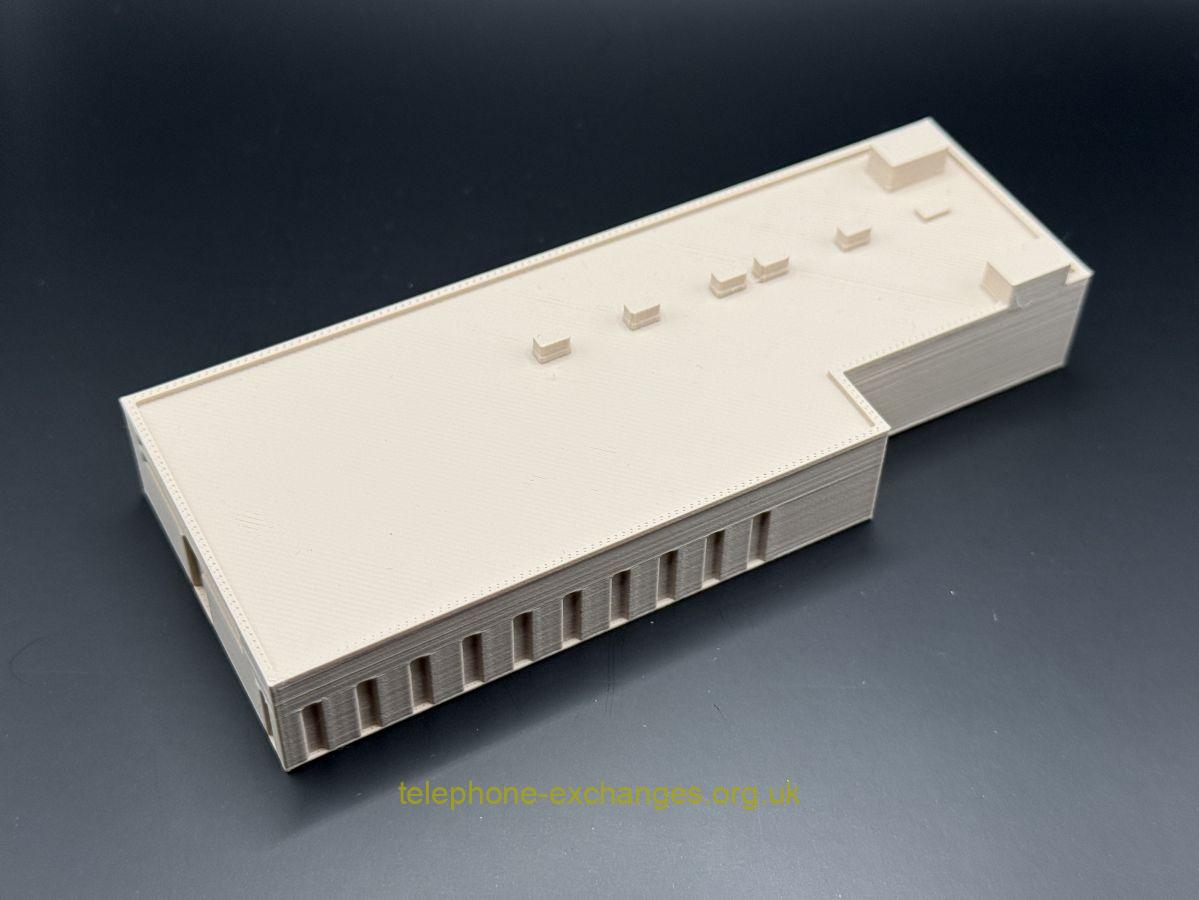
Type P13

Seal Sands Telephone Exchange in Tyneside is housed in a typical Type P13 building.
Photo courtesy of Andrew Young.
Type Q Exchange Buildings
Type Q was designed as a metric replacement of the Type L2 building, nominally accommodating 1,000 lines. It was developed by the South West Telecommunications Region (SWTR) in the mid-1970s, on the basis of Telecommunications Headquarters (THQ) schedules of requirements.
Type Q

Type Q Mk 1

Tintagel Telephone Exchange in Cornwall is housed in a typical Type Q Mk 1 building.
Photo courtesy of Denver.
Another example is Beckington in the Frome group.
Type Q Mk 1 (R)

Snitterfield Telephone Exchange in Warwickshire is housed in a typical Type Q Mk 1 (R) building.
Photo courtesy of Mike Fletcher.
Another example is Chideock exchange in the Axminster group.
Type Q Mk 2

Hornsea Telephone Exchange in Yorkshire is housed in a typical Type N building.
Photo courtesy of Damon Wilkinson.
Another example is Mintlaw in the Maud group.
Type S, Type SSTX3 & Westward Standard Exchange Buildings
Type S

Type S

Bankfoot Telephone Exchange in Perth is housed in a typical Type S building.
Photo courtesy of Damon Wilkinson.
Another example is Carstairs in the Lanark group.
Type SSTX3
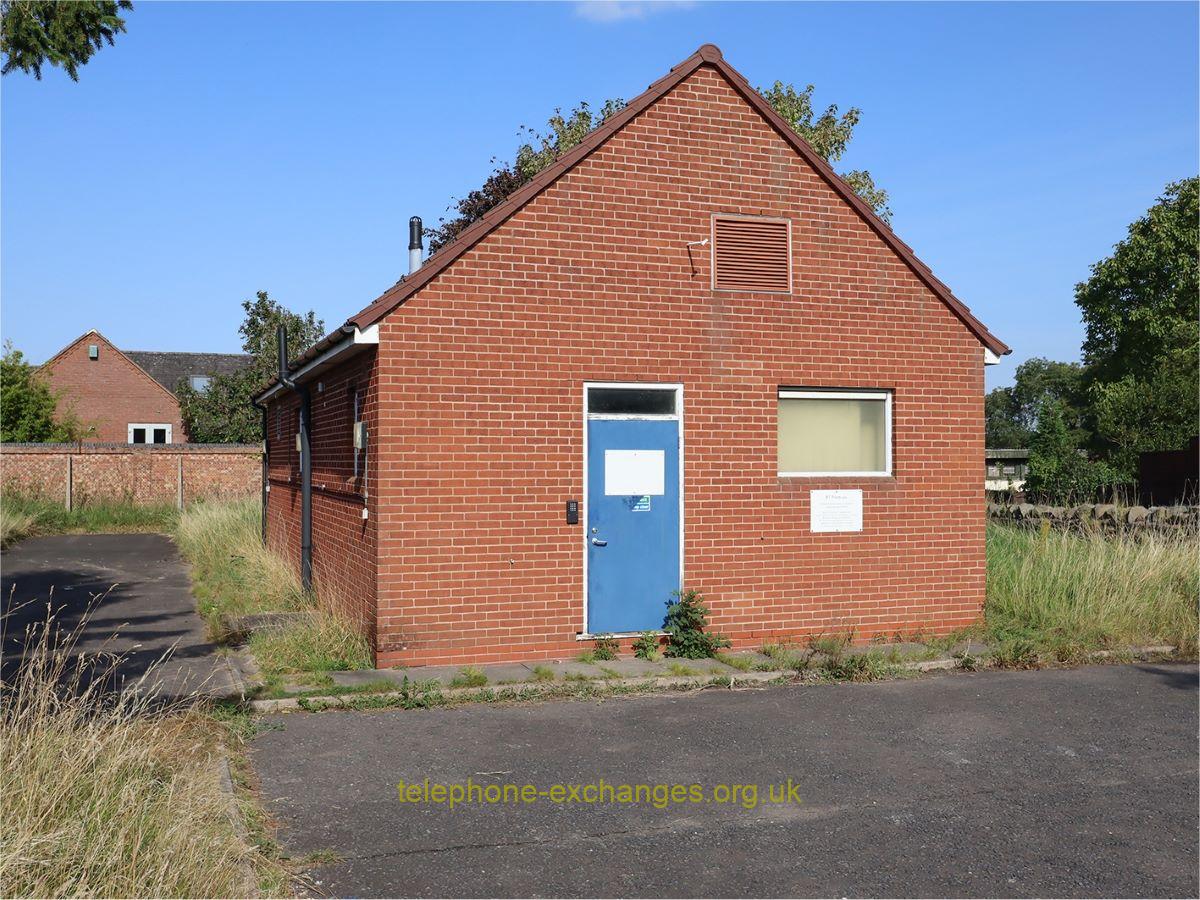
Bagworth Telephone Exchange in Leicestershire is housed in a typical Type SSTX3 building.
Photo courtesy of Mike Fletcher.
Another example is Kemble exchange in the Cirencester group.
Westward Standard

Copplestone Telephone Exchange in Devon is housed in a typical Westward Standard building.
Photo courtesy of the Martin Loach Collection.
Another example is Cheriton Fitzpaine in the Crediton group.